A Complete Guide by Ollek Solar
Choosing the right inverter is one of the most important decisions when setting up a solar or backup power system for your home. A good inverter ensures stable electricity, protects your appliances, and helps you save money in the long run. However, with many options in the market, it can be confusing to know what to pick.
At Ollek Solar, we help homeowners make the right energy choices every day. This guide will walk you through everything you need to consider before buying an inverter.
1. Understand Your Power Needs
Before choosing an inverter, you must first calculate your total electricity consumption.
Start by listing essential appliances such as:
- Fans
- Lights
- Television
- Refrigerator
- Laptops
- Water pump (if applicable)
Check their wattage and estimate how many hours you use them daily. This helps you determine the total load capacity your inverter must support.
👉 Example:
If your total load is 1,200W, you should consider at least a 1.5kVA–2kVA inverter for safe operation.
2. Choose the Right Inverter Size (kVA Rating)
Inverters are rated in kilovolt-amperes (kVA). Here’s a simple guide:
- 1kVA – 1.5kVA: Small apartments (basic loads only)
- 2kVA – 3.5kVA: Average family homes
- 5kVA and above: Large homes with heavy appliances
Always choose an inverter with 20–30% extra capacity to avoid overload and extend lifespan.
3. Decide Between Pure Sine Wave and Modified Sine Wave
This is very important for appliance safety:
✔ Pure Sine Wave Inverter
- Best quality output
- Safe for all appliances
- Works well with refrigerators, TVs, laptops
- Recommended for modern homes
⚠ Modified Sine Wave Inverter
- Cheaper
- Suitable for simple loads like lights and fans
- Not ideal for sensitive electronics
👉 Recommendation: Always go for a pure sine wave inverter for long-term reliability.
4. Consider Battery Compatibility
Your inverter is only as good as its battery system.
Check:
- Battery type (Lithium-ion vs Lead-acid)
- Battery capacity (Ah rating)
- Voltage compatibility (12V, 24V, 48V systems)
Lithium batteries last longer and charge faster but cost more upfront. Lead-acid batteries are cheaper but require more maintenance.
5. Check Charging Speed and Solar Compatibility
If you plan to use solar energy in the future, choose an inverter that supports:
- Solar charging (hybrid inverter)
- MPPT charge controller
- Fast charging capability
Hybrid inverters are a smart investment because they allow you to switch between grid and solar power seamlessly.
6. Look at Brand Reliability and Warranty
Always choose trusted brands with:
- At least 1–5 years warranty
- Local support or service center
- Proven durability in Nigerian conditions
This reduces maintenance costs and ensures peace of mind.
7. Consider Expansion for Future Growth
Your energy needs may increase in the future. Choose an inverter system that allows:
- Additional batteries
- Solar panel expansion
- Higher load capacity upgrades
This saves you from buying a completely new system later.
8. Installation Matters
Even the best inverter can fail if poorly installed. Always ensure:
- Proper wiring and protection devices
- Correct earthing system
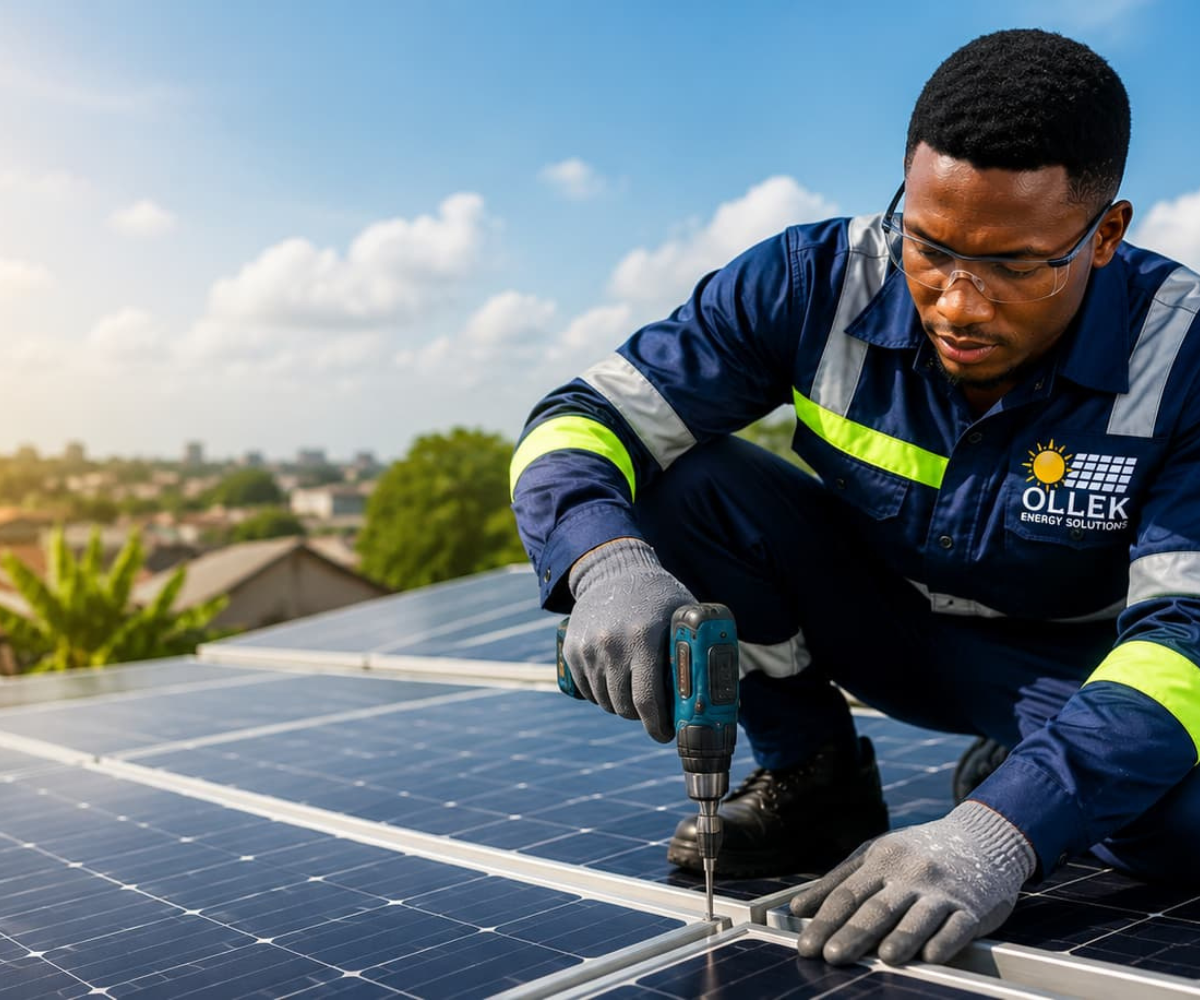
- Professional installation service
At Ollek Solar, we always recommend professional setup to guarantee safety and efficiency.
Conclusion
Choosing the right inverter is about understanding your power needs, selecting the right capacity, and investing in quality equipment. A well-chosen inverter system not only gives you uninterrupted power but also protects your appliances and reduces long-term energy costs.
If you are unsure about what to choose, consulting a solar expert can save you from costly mistakes.
Need help selecting the perfect inverter for your home?
Reach out to Ollek Solar for professional solar and inverter installation services tailored to your needs.